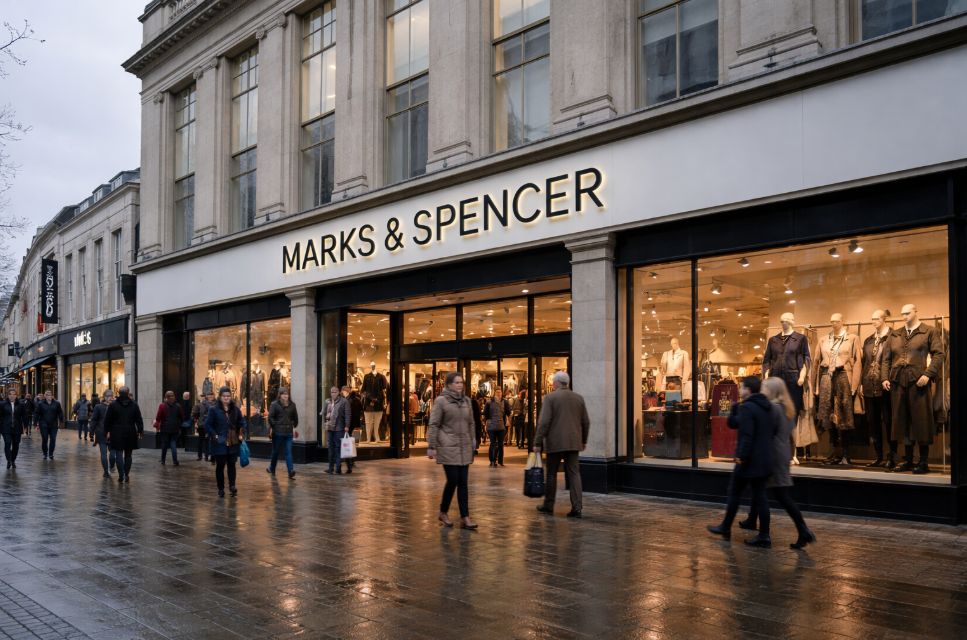
The End of an Era: M&S Swansea's Oxford Street Closure
The heart of Swansea's city centre is set to experience a significant change with the confirmed closure of its flagship Marks & Spencer store on Oxford Street. For generations, this iconic retailer has been a cornerstone of the community, drawing shoppers from across the region and holding a cherished place in local memory. The news, announced in late February, has naturally led many to question
what happened M&S Wales, particularly concerning this historic location. While undoubtedly a blow to the city and its 92 dedicated employees, M&S states this decision aligns with a far-reaching UK-wide strategy aimed at modernising its retail footprint.
The Oxford Street branch, a fixture for over a century, has served as a central hub for shoppers, offering everything from fashion to homeware and its renowned food hall. Staff were informed of the impending closure on a Tuesday morning, with a consultation process now underway to explore potential future roles at other M&S sites, ensuring support for affected colleagues. While an exact closing date has not been finalised, it is anticipated to occur in late 2026, allowing a considerable period for transition and for the city to grapple with the implications.
Unpacking M&S's Strategic Rationale: Why the Swansea Store is Closing
M&S Regional Manager Richard Owen has provided clear insights into the multifaceted reasons behind the Swansea closure, emphasising that it is not a reflection on Swansea as a retail destination itself, but rather a strategic decision rooted in the company's broader transformation.
Shifting Customer Habits and the "Right Stores" Approach
A primary driver is the fundamental shift in customer shopping habits. The rise of online retail and a preference for convenience mean that traditional, large high-street department stores often no longer align with how consumers prefer to shop. M&S's "UK-wide store rotation programme" is a proactive response, designed to create "the right stores with the right space to deliver an excellent shopping experience." This often translates to investing in modern retail parks, smaller food-only stores, and enhancing their online presence, rather than maintaining sprawling, aging city-centre locations.
Operational Challenges and Underperformance
Beyond changing habits, the Swansea Oxford Street store faces significant practical and operational issues. The building, having stood for decades, requires "significant investment" to bring it up to modern retail standards. Such investments, coupled with the store having "underperformed over a long period," make its continued operation unviable in the context of M&S's long-term growth objectives. Prioritising efficiency and profitability, the company must make tough decisions to allocate capital where it can yield the greatest return and deliver the most effective customer experience.
The Ripple Effect: High Street Concerns and Council Response
The departure of such a prominent retailer raises immediate and substantial concerns about the future of Swansea's city centre. M&S occupied a considerable retail space in the main shopping thoroughfare, and its absence will undoubtedly create a void that will be challenging to fill. This news fuels broader doubts about the health of high street trade, a struggle faced by many towns and cities across the UK.
Swansea Council has openly expressed its disappointment, acknowledging the blow to both staff and shoppers. A council spokesman confirmed that the existing building and location no longer align with M&S's evolving business model, which has seen around 90 historic locations close nationally while investment is redirected into new, more suitable sites. The council has revealed it actively worked for "several years" to prevent this closure and remains committed to finding "a new site that meets their needs and keeps M&S in the city." This collaborative spirit underscores the importance of M&S's presence to Swansea's retail economy and its ongoing regeneration efforts. The closure of a flagship store like M&S Swansea also highlights the broader challenges facing urban retail districts. For a deeper dive into these wider implications, you can read more at
M&S Swansea Flagship Store Closure: High Street Future Uncertain.
M&S Wales: A Look at Future Plans and Remaining Stores
Despite the closure of its Oxford Street store, M&S has reiterated its commitment to Swansea. Richard Owen stated, "We will continue serving Swansea customers through those stores and online, whilst we actively look for a suitable location for a future full-line M&S store in Swansea." This suggests a desire to maintain a physical presence, albeit in a potentially different format or location better suited to their modern operational model. This could mean a move to an out-of-town retail park or a newly developed city centre location that offers better accessibility, parking, and a more contemporary retail environment.
Crucially, for other communities across Wales, M&S has provided reassurance. Stores in Gwent and West Wales, including those at Newport Retail Park, Haverfordwest (Withybush Retail Park), and Carmarthen town centre, are not affected by these latest closure plans and remain fully operational. This confirms that the Swansea decision is site-specific, driven by the unique challenges of that particular Oxford Street building and its long-term performance, rather than a sweeping withdrawal from the region. For further details on the status of other M&S stores in the region, refer to
M&S Swansea Shuts Down: Gwent & West Wales Stores Safe, New Site Hunt On.
Beyond Swansea: Understanding the Modern Retail Landscape
The M&S Swansea closure offers a microcosm of the profound shifts occurring across the entire retail sector. It's a stark reminder that even venerable institutions must adapt or risk becoming obsolete.
The Evolution of Retail Spaces
M&S's "store rotation programme" isn't merely about shutting down underperforming stores; it's about reimagining its physical presence. This often involves:
- Smaller, More Focused Stores: Emphasising popular food halls or curated clothing selections.
- Out-of-Town Retail Parks: Offering easier access, ample parking, and often lower operational costs.
- Enhanced Online Integration: Physical stores serving as collection points for online orders, or providing tailored services that complement digital shopping.
This strategic pivot highlights the challenges faced by older city-centre buildings, which often lack the flexibility, modern infrastructure, and accessibility needed for today's omnichannel retail demands.
Tips for High Streets and Shoppers
For cities like Swansea, the M&S departure is a call to action.
- Diversification is Key: High streets need to offer more than just traditional retail. Think entertainment, leisure, residential conversions, and unique independent businesses.
- Experience-Led Retail: Creating reasons for people to visit beyond transactional shopping, such as events, pop-up markets, and vibrant social spaces.
- Local Authority Support: Collaborating with landlords and businesses to create appealing, flexible spaces and incentivise new ventures.
For shoppers, adapting means exploring M&S's strong online presence, utilising their click-and-collect options, or visiting their modernised stores in nearby locations. It's also an opportunity to discover and support local independent businesses that form the vibrant backbone of any community.
In essence, the closure underscores the ongoing battle between heritage and progress, between traditional shopping models and the relentless march of digital convenience and operational efficiency. The decisions M&S makes today are not just about individual stores but about securing its relevance and profitability in a fiercely competitive future.
Conclusion
The closure of the M&S Swansea Oxford Street store marks the end of a significant chapter for both the retailer and the city. While disappointing, it is a calculated move within M&S's wider, national strategy to adapt to evolving customer habits, address operational inefficiencies, and prioritise long-term growth. As M&S continues its "store rotation programme," Swansea looks to the future with the hope of attracting a new, potentially modernised, M&S presence while simultaneously working to reimagine its city centre for a new era of retail and leisure. The unfolding events in Swansea serve as a powerful illustration of the dynamic challenges and opportunities facing the retail sector across the UK.